
EV CHARGING PARTS
EV CHARGING PARTS.
ALL IN ONE PLACE
Explore High-Quality Components And Accessories For Reliable And Efficient EV Charging Infrastructure




SHOP BY CATEGORY
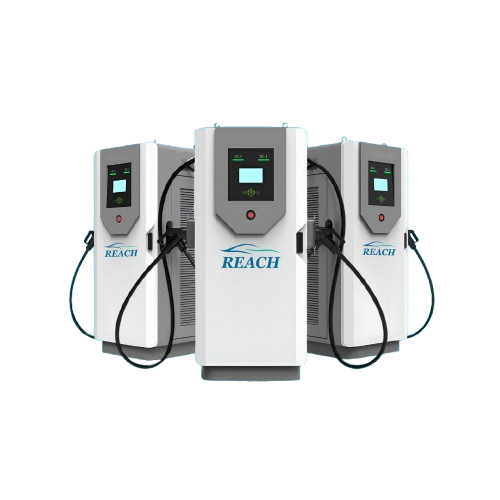
DC FAST CHARGER
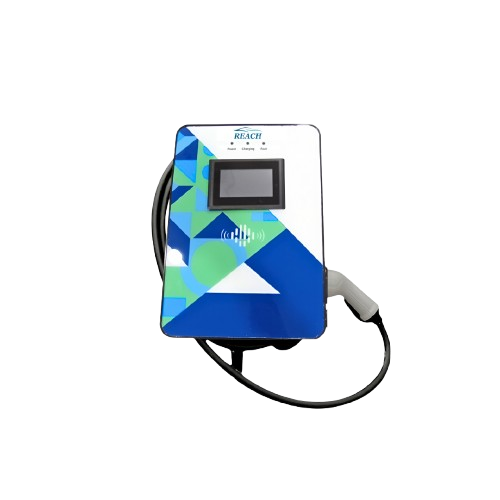
AC CHARGER

E.V COMPONENTS
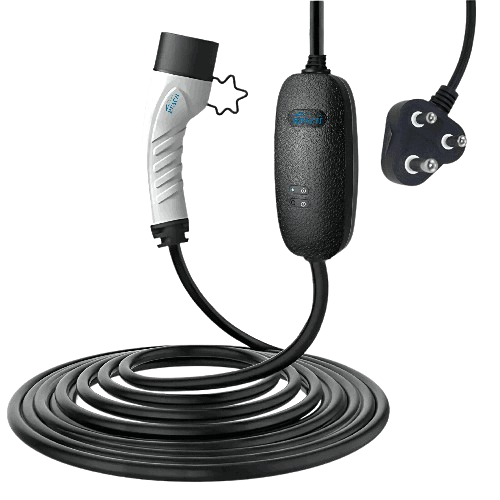
PORTABLE CHARGER
What sets AC charging equipment apart from direct DC commercial chargers?
An AC charging unit routes regular power directly into your vehicle, relying on your car’s built-in converter to transform electricity before storing it in the battery. A DC fast station transforms electrical current directly inside its own heavy cabinet, allowing high-voltage energy to feed straight into your car’s cells for significantly faster power top-ups
Which charging setup works best for routine everyday driving needs?
- A fixed 7.4 kW to 11 kW AC unit delivers the ideal mix of steady charging speed, energy efficiency, and reliable daily performance.
- . Charging slowly at home or at the office keeps thermal stress low, which protects long-term battery health far better than continuous reliance on high-output commercial chargers.
How much time does an electric car take to reach a full charge?
- Total turnaround time depends entirely on your battery capacity and the source’s power rating:
- Portable travel kits (around 3.3 kW): 10 to 14 hours for empty-to-full capacity
- Home wall units (7.4 kW to 22 kW): 4 to 8 hours overnight
- High-capacity DC hardware (30 kW to 120+ kW): 30 to 50 minutes to reach an 80% charge level
Why should electric vehicle owners carry a mobile charging unit during travel?
A mobile plug-in unit acts as your backup charging tool. It plugs straight into ordinary 15A/16A electrical sockets, making it invaluable for road trips, rural weekend getaways, and unexpected situations where you are far from a dedicated charging hub.
What home wiring checks should you perform before mounting an EV charger?
- Your power setup needs certified ground earthing with low neutral-to-earth resistance, heavy-duty copper wire capable of handling sustained electrical draw, an isolated circuit breaker, and an earth-leakage protector (RCD) to shut down current during electrical faults.
Can you connect these charging accessories to any electric car model?
- Yes. Standard modern passenger EVs share universal inlet designs: the Type-2 standard handles regular single-phase and three-phase AC power, while the dual-pin CCS2 socket handles high-rate DC charging.
What build details indicate a durable EV charging cord?
- Look for cables with flexible TPU or TPE outer rubber coats that resist cracking under tire pressure and foot traffic. Internally, pure copper wiring and silver-plated contact pins ensure efficient conductivity, while an IP55 or IP65 rating shields against heavy dust and rain.
How do smart charging apps and RFID features help vehicle owners?
- Access management locks the hardware privately, stopping unauthorized vehicle charging completely. It also provides real-time wattage tracking from your phone and lets you automate charging sessions during late-night off-peak hours when power rates are cheaper.
Does relying heavily on rapid DC public chargers damage your battery?
- Constantly pushing high-amp current generates excess heat inside the cells, which gradually reduces overall battery lifespan. Sticking to a balanced habit—using slow AC charging for the vast majority of your commutes and saving rapid DC stations for long highway travel—keeps your pack healthy.
What safety marks and certifications should you confirm before buying EV gear?
- Check that the equipment meets international and regional electrical benchmarks such as IEC 61851, CE, RoHS, and local regulatory standards (like BIS or ARAI). The unit should have built-in trip protection against lightning surges, sudden voltage spikes, overheating, and short circuits.